
Hormone Therapy
At a certain age, we all experience symptoms of decline. It’s a part of life. But we can help you to age more gracefully with less symptoms! Fighting the aging process does not mean you are vain or narcissistic, so leave the guilt behind and enjoy feeling more youthful and vibrant!
Every patient we’ve helped has been genuinely thankful with starting Hormone Therapy. You absolutely need to invest in yourself. Men lose their libido which has a cascade effect in many other areas of their private life. They gain weight, become depressed, lose muscle mass, and lose general interest in what once brought them joy. Women with hormone deficiencies don’t usually know what is happening in their body or their demeanor. Women begin to age faster during menopause, skin becomes lax, loose, and dull, belly fat rapidly accumulates. Anxiety, depression, and mood swings can plague a women’s life in her early or approaching 50’s. Understanding your hormones has never been more researched until now.
Hormone Therapy For Men
Bioidentical Hormone Therapy and Estrogen Blockers help men over 30 look and feel better. Male patients will benefit by reclaiming focus, improving energy, and increasing enthusiasm for time spent with family, work, and during physical intimacy. Proper hormone levels even protect against cardiovascular disease, elevated blood pressure, diabetes, osteoporosis, and many other diseases.
You may notice many additional benefits including:
- Greater Muscle Mass
- Decreased Belly Fat
- Reduced Inflammation & Joint Mobility
- Improved Cognitive Function & Memory
- Enhanced Sexual Function & Libido
- Healthier Sleep Cycles
- Elevated Mood
- Higher Quality of Life
- Blood Sugar Control
Hormone Therapy For Woman
Whether it’s lower energy, weight gain, irritability, decreased sex drive, or other symptoms, as many women approach 40 years of age or older, they report feeling ‘off.’ While many women are quick to blame their hormones for the differences they begin experiencing, it’s important to know that hormones are not always the catalyst for these changes. In our experience, the majority of women who report these problems are actually suffering from stress and lifestyle-related choices, rather than hormonal shifts.
At Anti-Aging Specialites, our team has the expertise to help you identify the true causes for why you may feel different, guide you through perimenopause and the stages of menopause, and make sure you are putting your best foot forward in terms of your overall health. But first, let’s take a look at the primary hormones at work in a woman’s body.
The How and Why of Women’s Hormones:
Of course, female sex hormones – estrogen and progesterone – have the most significant effect on a woman’s health, from menstruation to pregnancy to menopause and more. But, your body makes and utilizes a variety of other hormones that affect other aspects of your health – from your energy level, weight, mood, and more.
Here’s a closer look at the main hormones within a woman’s body, how they work, and what happens when you have either too little or too much of each.
Estrogen
According to the Hormone Health Network, estrogen is responsible for bringing about the physical changes that turn a girl into a woman during puberty, including enlarging of the breasts, growth of pubic and underarm hair, and the start of menstrual cycles. Aside from estrogen’s obvious importance to childbearing, it helps to keep cholesterol in control, contributes to protecting bone health and affects your brain (including mood), heart, skin, and other tissues throughout the body.
The primary source of estrogen in women is the ovaries, which produce a woman’s eggs. However, your adrenal glands, which are located at the top of each kidney, also make small amounts of estrogen, along with fatty tissues. Estrogen moves throughout your body in your bloodstream and acts everywhere throughout your body. Estrogen levels change throughout the month and are highest in the middle of your menstrual cycle and lowest during your period. At menopause, estrogen levels drop.
Women with low estrogen, due to menopause or surgical removal of the ovaries may experience one or more of the following symptoms:
- Menstrual periods that are less frequent or stop altogether
- Hot flashes and/or night sweats
- Difficulty falling or staying asleep
- Dryness and thinning of the vagina
- Decreased sexual desire
- Mood swings
- Dry skin
Women with too much estrogen may experience one or more of the following symptoms:
- Weight gain, particularly in the midsection (waist, hips, and thighs)
- Menstrual problems, such as light or heavy bleeding
- Worsening of premenstrual syndrome (PMS)
- Fibrocystic breasts (non-cancerous breast lumps)
- Uterine fibroids (non-cancerous tumors in the uterus)
- Fatigue
- Loss of sex drive
- Feeling depressed or anxious
Progesterone
As a steroid hormone secreted by the corpus luteum, a temporary endocrine gland that women produce after ovulation, progesterone prepares the endometrium (the lining of the uterus) for the possibility of pregnancy after ovulation.
Progesterone works to encourage the lining to accept a fertilized egg while prohibiting non-painful uterine muscle contractions that may cause the body to reject an egg.
If a woman does not become pregnant, the corpus luteum breaks down and the progesterone levels decrease in the body, causing the woman to menstruate. In the event of pregnancy, progesterone continues to stimulate blood vessels in the endometrium that will nourish and support the growing baby.
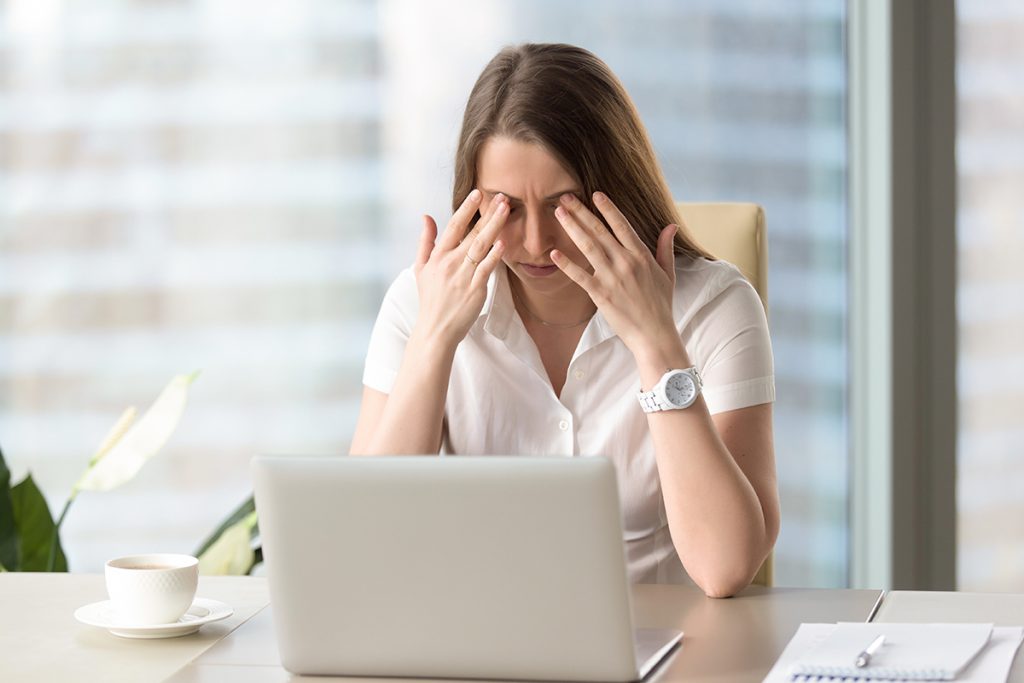
Women who have low levels of progesterone often have abnormal menstrual cycles or struggle to conceive, because the lack of progesterone doesn’t provide the proper environment for a fertilized egg to grow. Women with low progesterone levels who do succeed in getting pregnant are at higher risk for miscarriage or preterm delivery, as progesterone helps maintain the pregnancy.
Women who suffer from low progesterone may experience abnormal uterine bleeding, irregular or missed periods, spotting and abdominal pain during pregnancy, and frequent miscarriages. However, low progesterone levels can also create higher estrogen levels, which may contribute to the following symptoms:
- Decreased sex drive
- Additional weight gain
- Gallbladder problems
Testosterone
As the primary sex hormone found in men, testosterone plays an important role in a woman’s body, too. Relatively small amounts of testosterone are produced in the ovaries and adrenal glands and released into the bloodstream, where it contributes to a woman’s sex drive, bone density, and muscle strength.
Women who produce too much testosterone may experience:
- Irregular or absent menstrual periods
- More body hair than the average woman
- Male-pattern or frontal balding
- Acne
- Increased muscle mass
- Deeper voice
Women with high levels of testosterone may struggle with infertility and commonly suffer from polycystic ovarian syndrome (PCOS), an endocrine condition that is sometimes seen in women of childbearing age who have difficulty getting pregnant. Like their high-testosterone level counterparts, women with PCOS have similar symptoms, which include:
- Obesity
- An apple-shaped body
- Excessive or thinning hair
- Acne
- Menstrual irregularity
- Insulin resistance
- Carbohydrate intolerance – a condition that makes you prone to gaining weight
- Low levels of “good” cholesterol, high levels of “bad” cholesterol
- Elevated triglycerides
- High blood pressure
When women go through menopause and the ovaries stop producing estrogen and progesterone, testosterone levels go down as well, though not as rapidly. For most women, the common side effect is reduced libido, which can often be remedied through receiving supplemental testosterone.
Thyroid Hormone
The thyroid, a butterfly-shaped gland that sits low in the front of your neck, secretes several hormones. If your thyroid gland doesn’t produce enough Thyroid Stimulating Hormone (TSH), you may have a condition called hypothyroidism, or an underactive thyroid.
According to the Mayo Clinic, women, especially those over the age of 60, are more likely to have hypothyroidism, which upsets the normal balance of chemical reactions in the body. While it seldom causes symptoms in the early stages, untreated hypothyroidism can cause a number of health problems, such as obesity, joint pain, infertility, and heart disease.
You may have hypothyroidism if you experience:
- Fatigue
- Increased sensitivity to cold
- Constipation
- Dry skin
- Weight gain
- Puffy face
- Hoarseness
- Muscle weakness
- Elevated blood cholesterol levels
- Muscle aches, tenderness, and stiffness
- Pain, stiffness, or swelling in your joints
- Heavier than normal or irregular menstrual periods
- Thinning hair
- Slowed heart rate
- Depression
- Impaired memory
The good news is that your doctor can conduct simple blood tests to evaluate the levels of these hormones in your system and prescribe supplements or therapies to treat and control the majority of hormonal imbalances. If you are interested in hormone therapy, contact us!
Take The First Step On Your Journey
Contact us to get started!
Our patient coordinator is standing by, happy to answer any questions you have to determine if Anti-Aging Specialties is right for you.